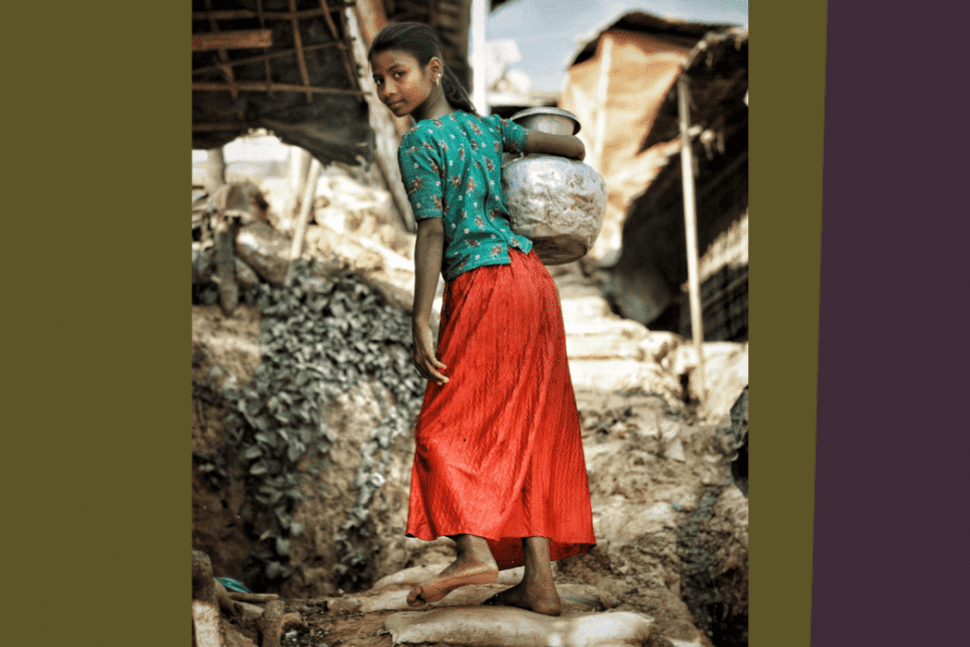
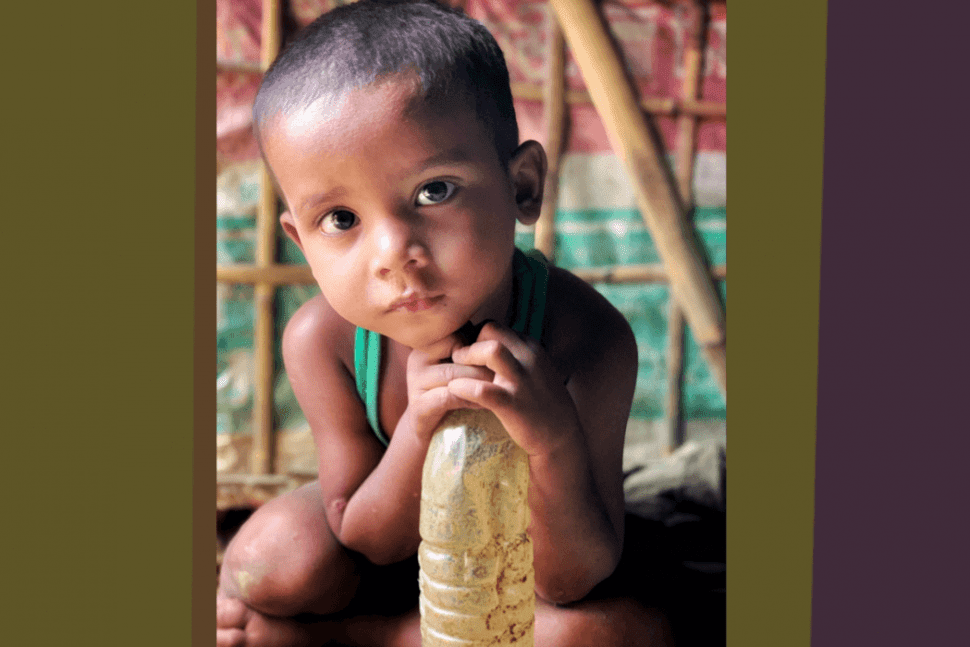
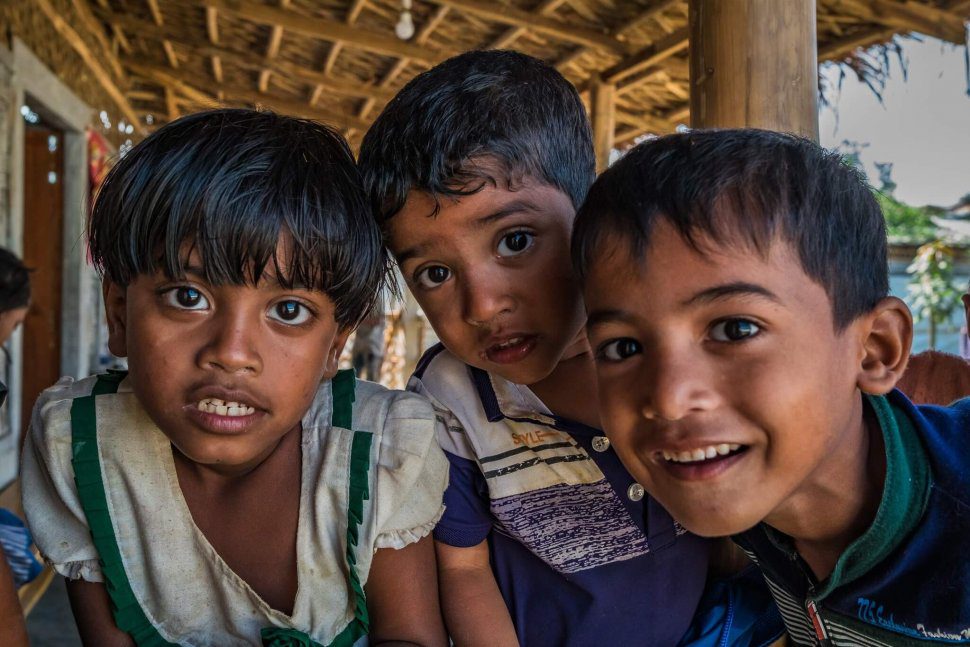
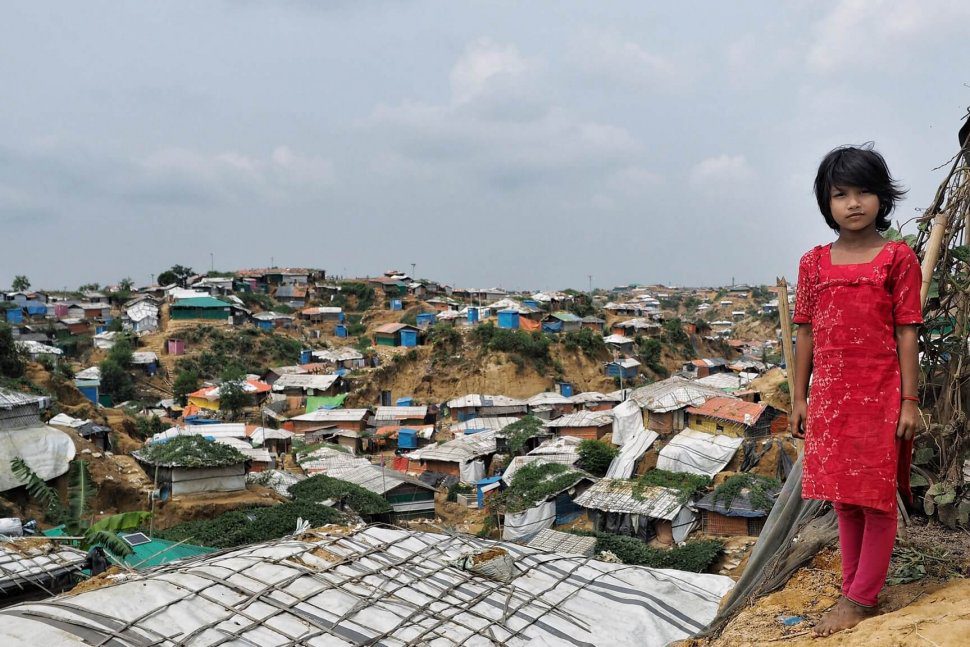
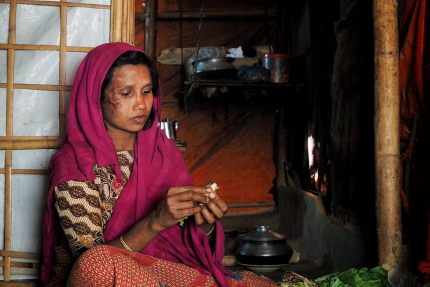
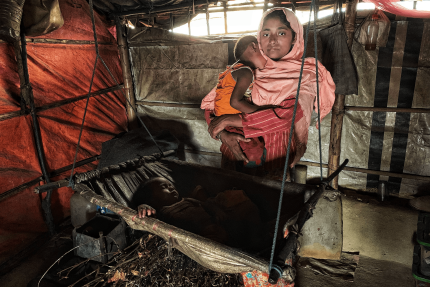
Mateusz Gasiński: The memory from Bangladesh, from the world’s largest refugee camp, that stuck with me most was the look in the eyes of Nur Bano, a young mother who was trying to create a home for her children in a bamboo hut. In her eyes you could see, on the one hand, a complete lack of hope that she would ever again regain her basic rights, and on the other, a determination to at least keep her children from feeling, for as long as possible, that they too were unwanted by the whole world. It is Momtaz’s terrified gaze, to which images of the burning village and murdered neighbours returned every now and then. It was Senowara’s eyes, holding a child with Buddhist features, that drew the attention of the camp’s inhabitants. It was known that the child was the product of rape.
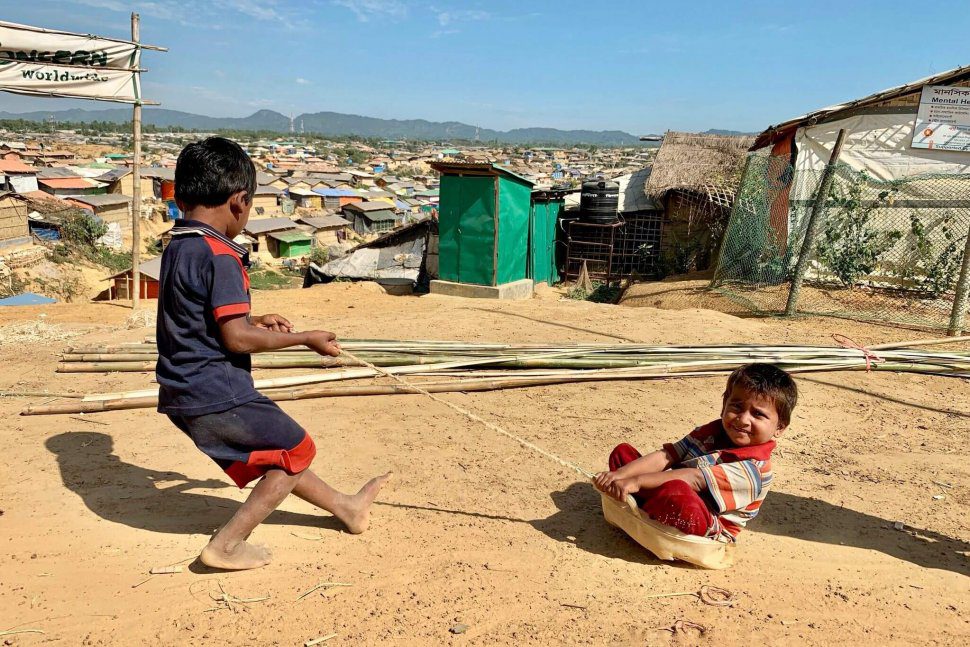
Ania Kieniewicz: As I visited one family after another, I felt how forgotten these people were by the whole world. Looking at the children playing in the puddles, it hurt a lot to be looking at a lost generation, at children with no future, no chance of education, no dreams. I remember the images of the mass rapes and atrocities of the Burmese army coming back to me for a long time. And the hard realisation: in 2017, just two years before I first met them, there had been a genocide in the world. It was never supposed to happen again.
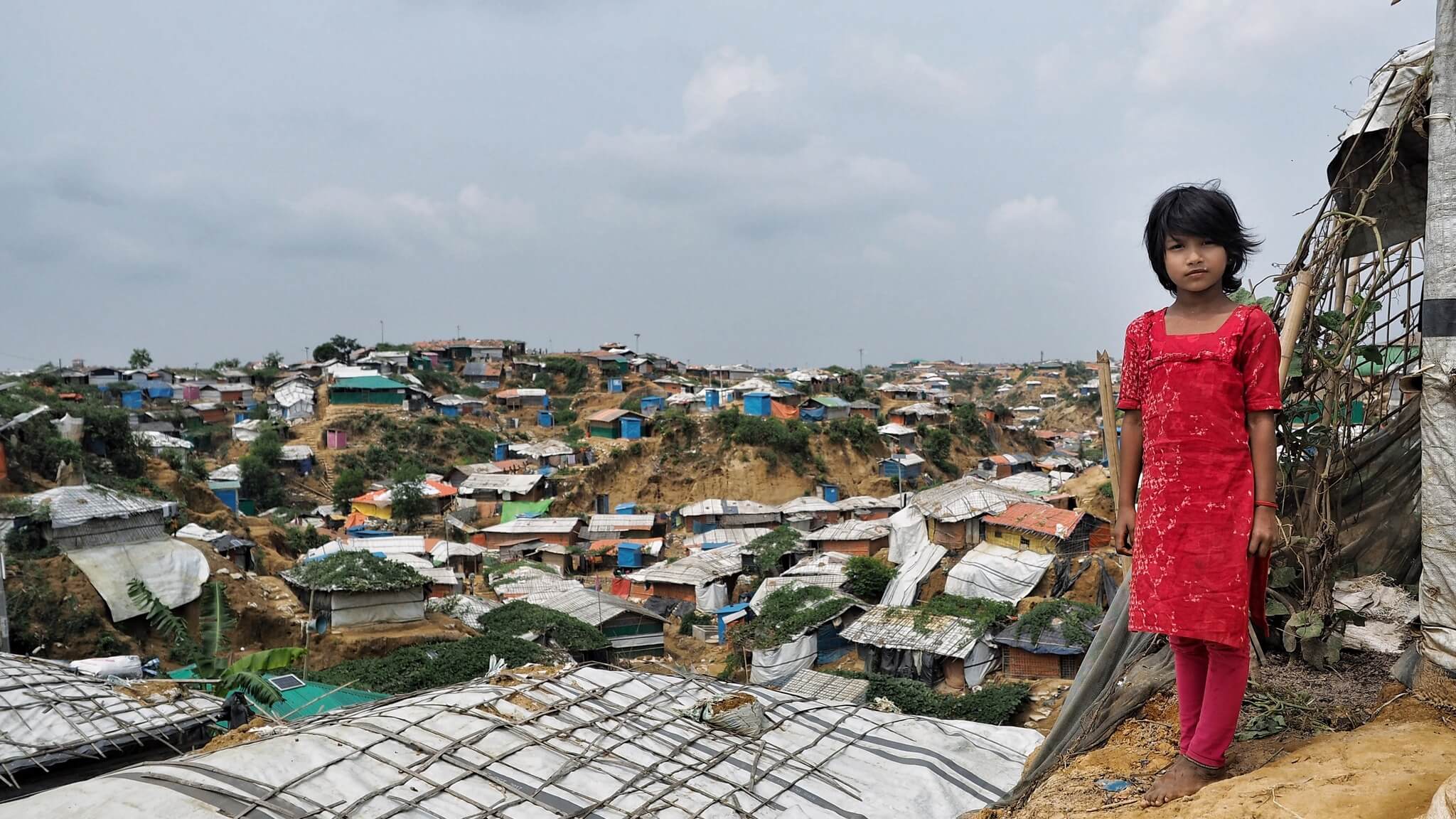
Everyone there has experienced harm. Trauma is the norm. A camp for a million people, each bearing physical or psychological wounds.
Mateusz: We knew we had to do something for these people. The plan was that we would build a centre for children. We would get them out of their misery and the homes brimming with problems, if only for a while.
Ania: Everyone there has experienced harm. Trauma is the norm. A camp for a million people, each bearing physical or psychological wounds. By building the centre, we wanted to give a break to the parents who struggle every day to survive, and to show the kids what childhood is all about. To teach them the alphabet; basic things.
Mateusz: I was concerned about how to make our donors understand that we are very much needed there. How to make someone in Poland understand that on the other side of the world there are people for whom only we can change anything in their lives.
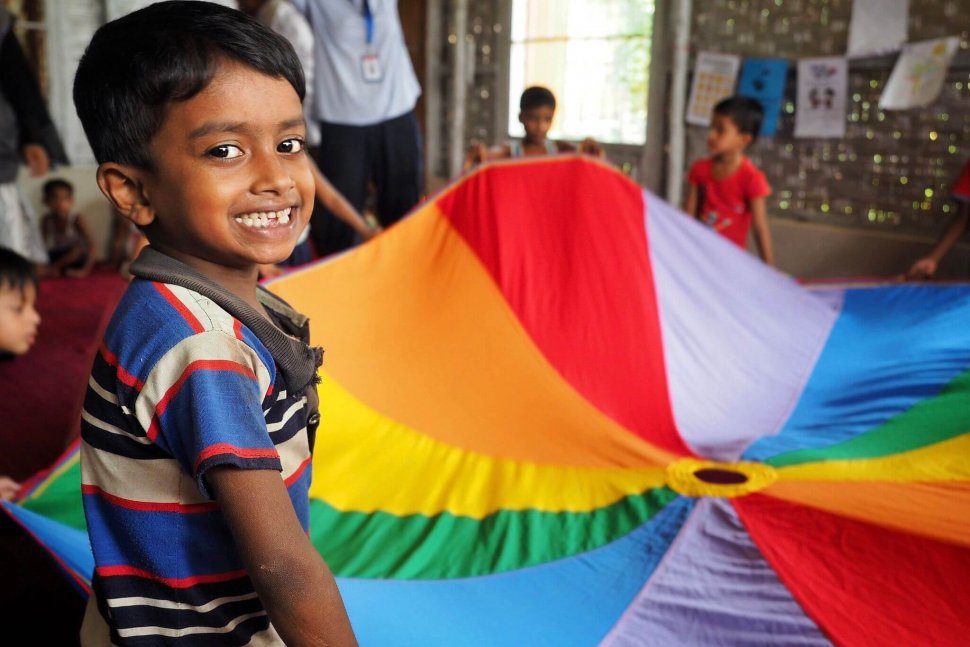
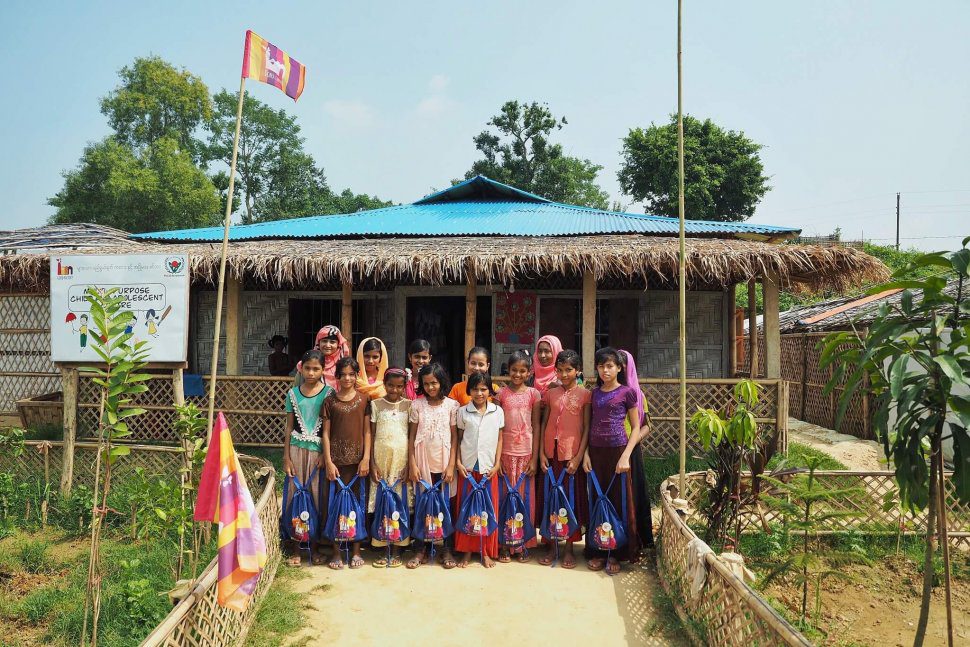
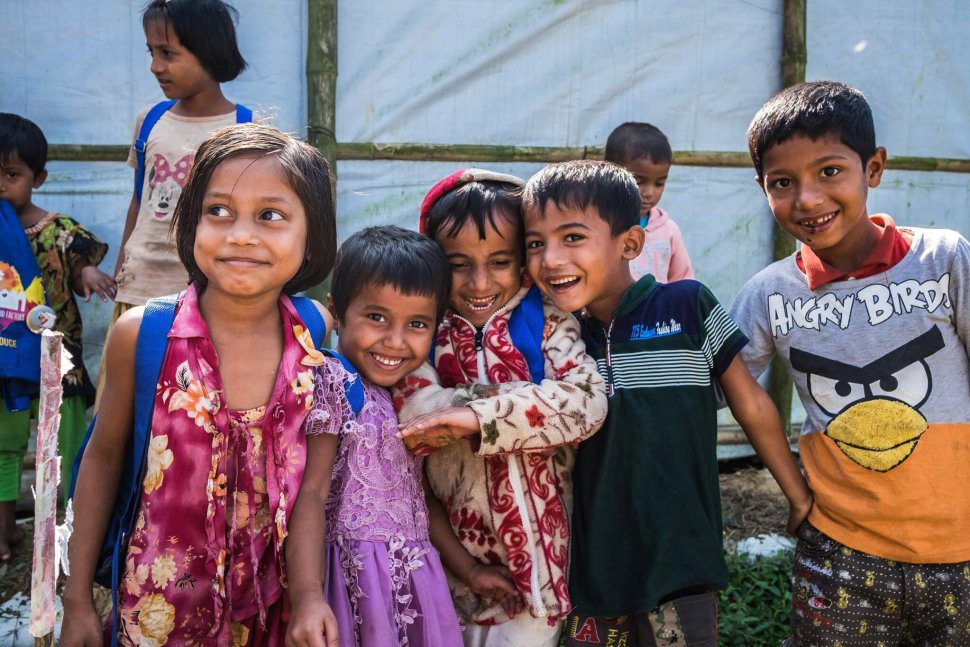
Ania: But we succeeded. We built an extraordinary place. A colourful oasis in the very centre of the camp that the children were eager to visit. There was a library, a learning space, a playground and the first and only cinema in the camp. What pleased us most was that the children were finally laughing and happy.
Mateusz: The gigantic effort we put into the place made sense, although we knew from the beginning that it might not last long. After more than a year, the centre burned down in the camp’s biggest fire. More than 45,000 people lost their homes that day.
Ania: After the fire, everything changed. We wanted to rebuild the centre, but we didn’t get permission. The camp was to become a temporary place for one million of its inhabitants, with no education, no job opportunities and no prospects. And that is how it is to this day.
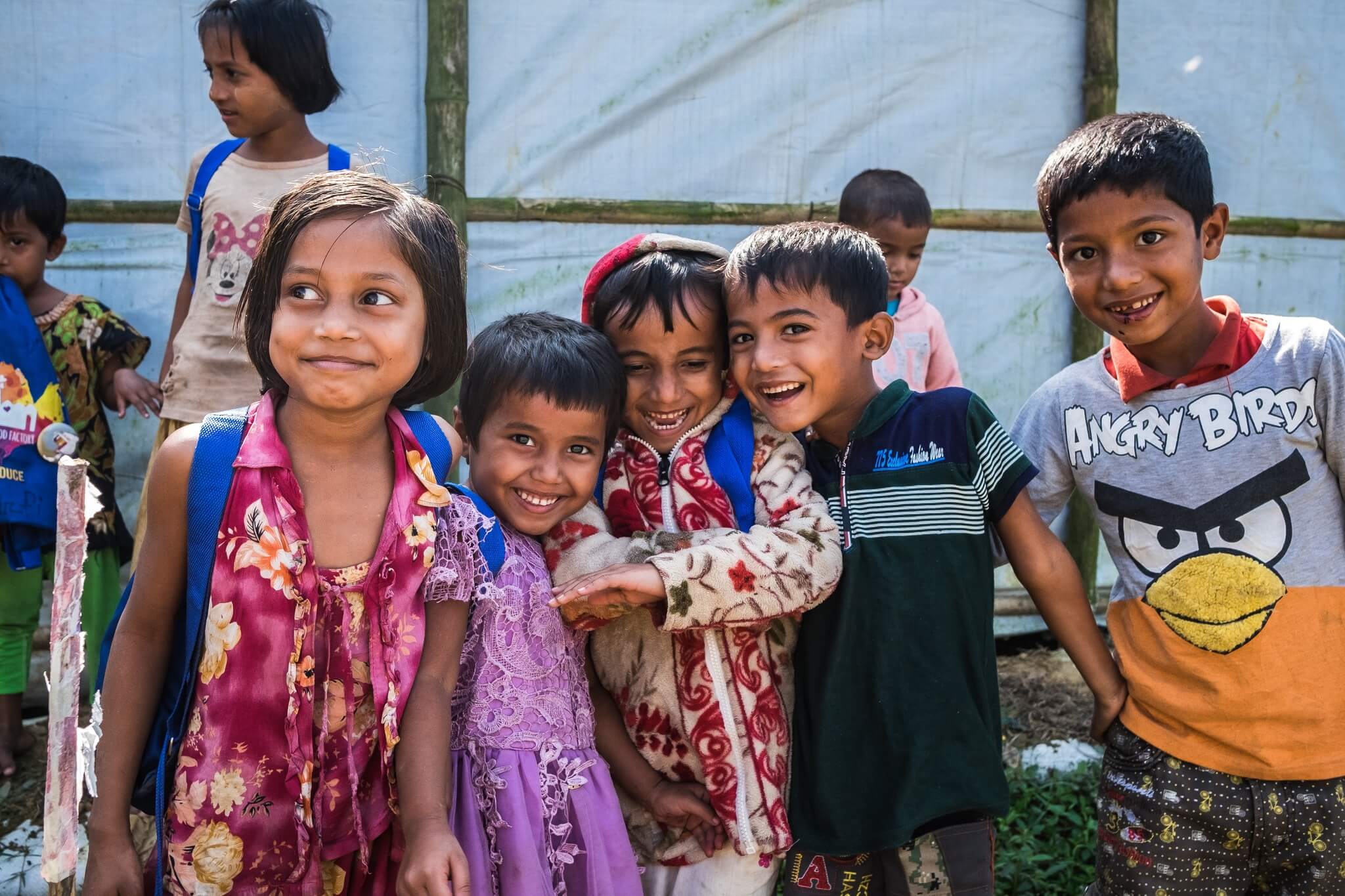
Stateless, deprived of their citizenship, without a future and stripped of basic human rights, except for just one – the right to a daily food ration.
Mateusz: Meanwhile, many other humanitarian crises have unfolded around the world. Few people remember the Rohingya anymore. And although there are trials going on in international courts, they change nothing in the daily lives of the residents of the world’s largest refugee camp. And we still feel that we could do more.
Ania: It has now been five years since the genocide. It’s hard for us to come to terms with the idea that this place is still there; that there are people living there who belong ‘nowhere’. Stateless, deprived of their citizenship, without a future and stripped of basic human rights, except for just one – the right to a daily food ration.
Mateusz: We are not able to help everyone, but we still want to stand by those we have met. I know that at a distance it is difficult to feel the kind of connection with these people that we feel, but I firmly believe that our relationship with donors, built on trust and the belief that we are reaching people who cannot cope without us, is enough to help them together. They are the sick, the maimed, the elderly, single women and mothers.
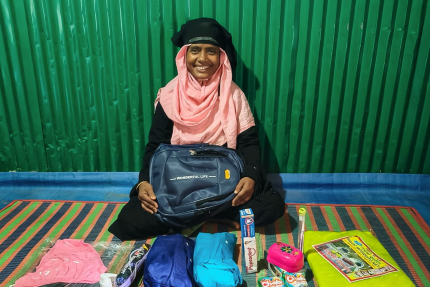
Ania: Help us to make our charges in Bangladesh feel that someone is thinking about them, helping them to feed their children and to buy medicines. Every purchase you make at GoodWorks 24/7 is worth more than its monetary value. It is a helping hand extended in their direction and a clear signal that they are not indifferent to everyone.
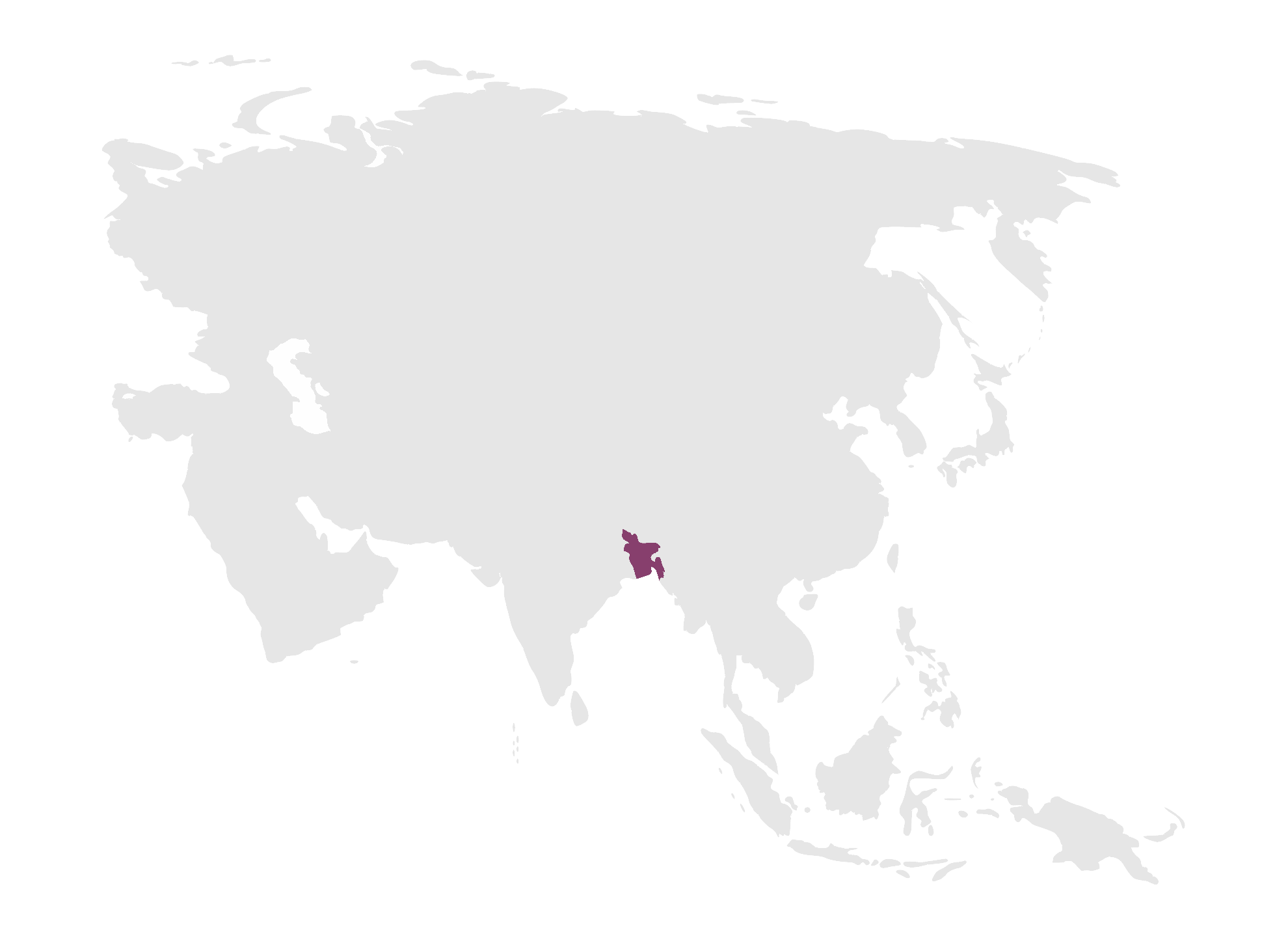
Exactly five years ago, the mass ethnic cleansing of the Rohingya people began. Within days, more than 700,000 Myanmar (former Burma) residents, persecuted for years, crossed the border into Bangladesh to flee death. Today, more than one million Rohingya people live near Cox’s Bazar, in the world’s largest refugee camp.
`