


Mauritania
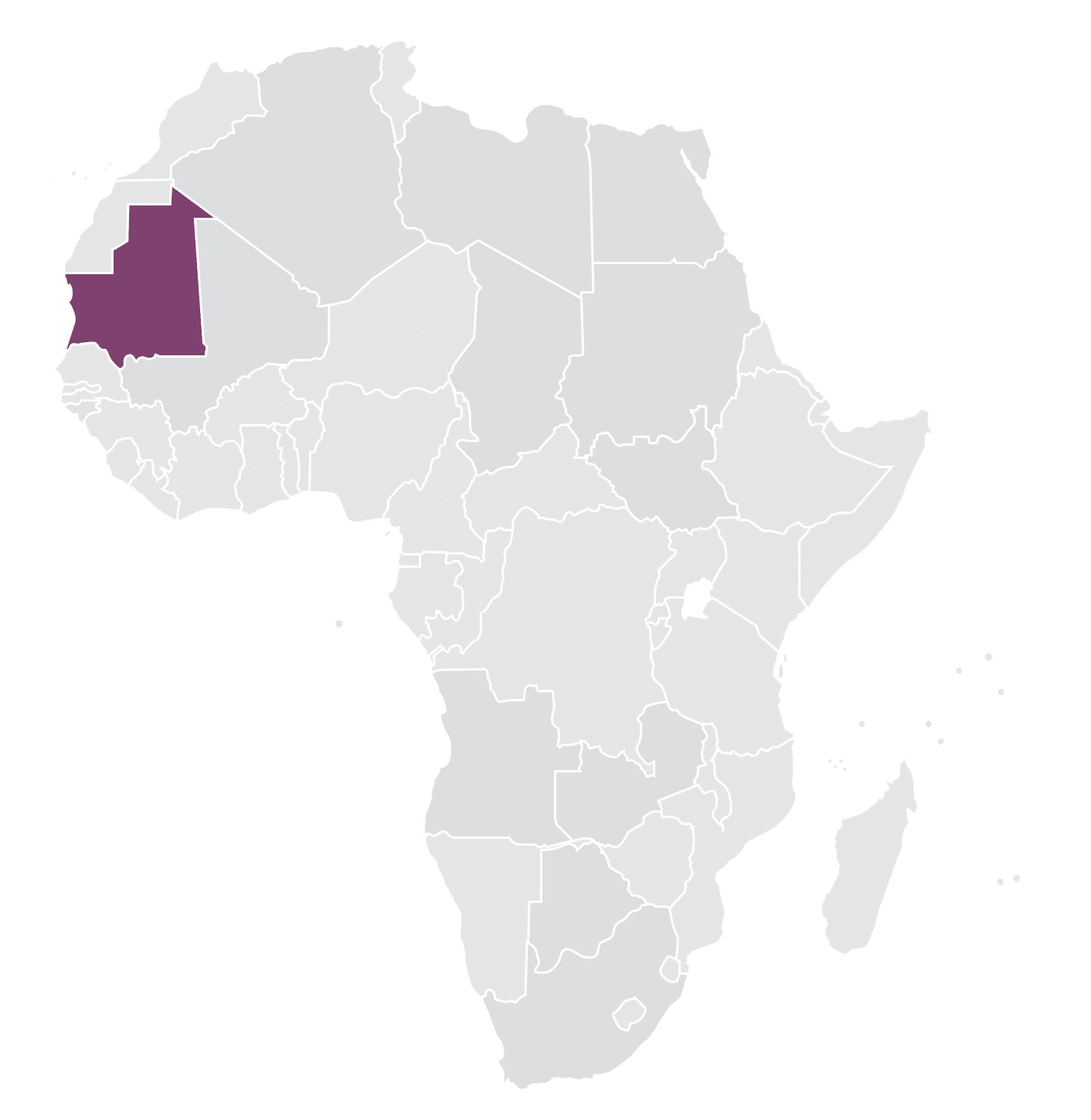
More than 90% of Mauritania is covered by Sahara sands. Recurrent droughts destroy natural resources, and domestic grain production meets only about a quarter of the country’s needs—the rest must be imported. Hunger stems from poverty and the country’s inability to feed its own population. Nouakchott, the capital, is one of the most neglected cities in the region. Children with disabilities remain hidden at home, and their mothers live with a deep sense of guilt and social exclusion.
Overview:
- One of the poorest countries in the world – about 5.8% of the population lives on less than USD 2.15 a day
- Domestic grain production covers only about 24% of food needs (around 76% comes from imports)
- About 25% of children under five suffer from chronic malnutrition
- 61% of the population experiences moderate or severe food insecurity, and about 12% are in food crisis (IPC Phase 3+)
- People with disabilities are largely invisible to the state—there is no systemic support, rehabilitation, or education for them
- Mothers of children with disabilities are commonly blamed and excluded—they often believe their child’s disability is a personal failure or a punishment
Every day, we bring
30 children
to the Foyer for rehabilitation, meals, and educational activities.
We provide regular care to
195 children with disabilities
and their families

We feed
We are building a place where disability stops being a sentence and becomes the start of a new shared journey.
GOOD FACTORY IN MAURITANIA
Good Factory has reached the outskirts of Nouakchott to support an extraordinary place, Foyer de l’Enfance. It is a true oasis in the middle of the desert, run by the sisters and its founder, Nicole.
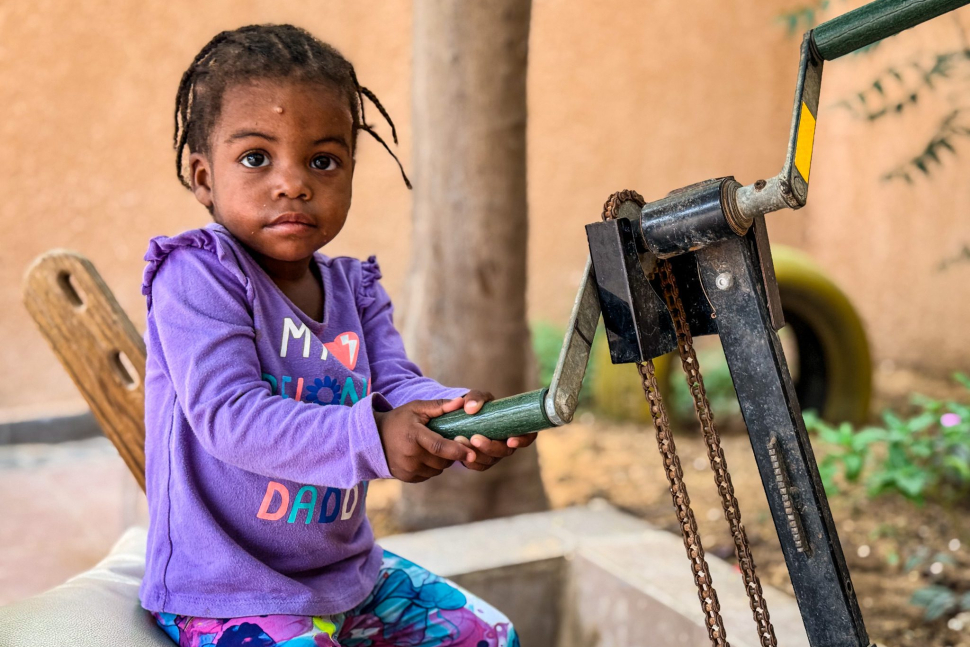
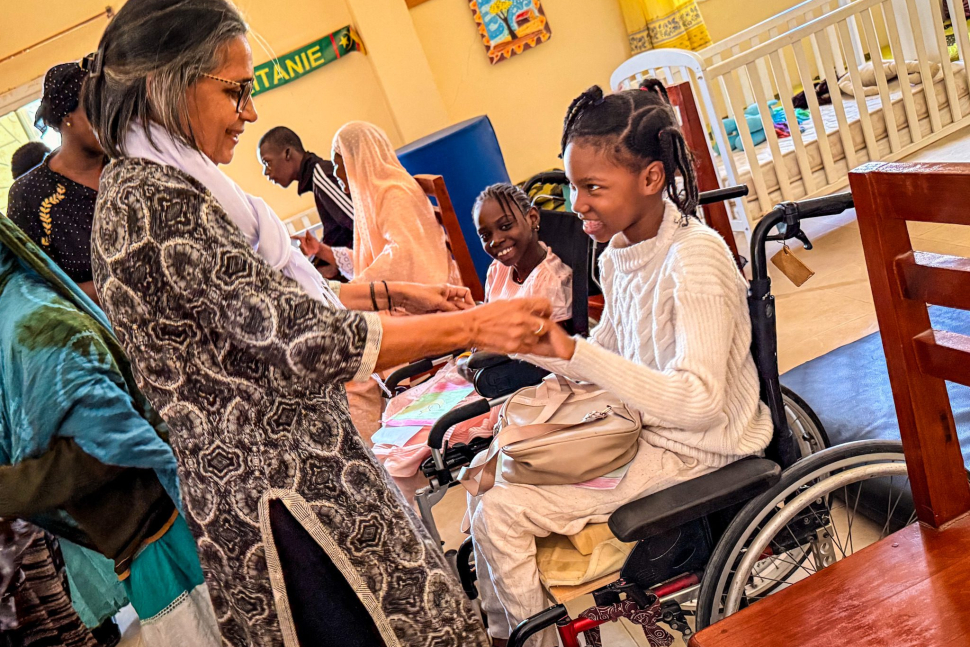
Mauritania is a country where disability is still a taboo subject. Children with physical impairments are often pushed to the margins – hidden away at home, treated as a source of shame, and denied opportunities to grow. At our Foyer, we prove that every one of them is unique. We already care for more than 200 children, restoring their right to a joyful childhood and the dignity they deserve.
HOW DOES FOYER DE L’ENFANCE WORK?
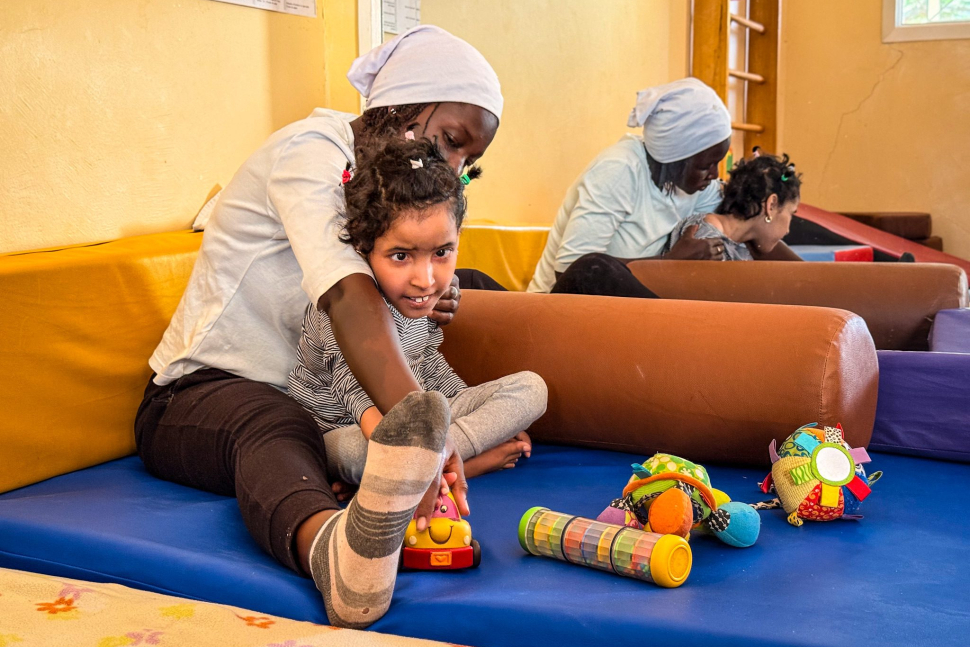
Our center offers comprehensive support—a safe, accepting place where children and their mothers can find care and understanding. We work on many levels:
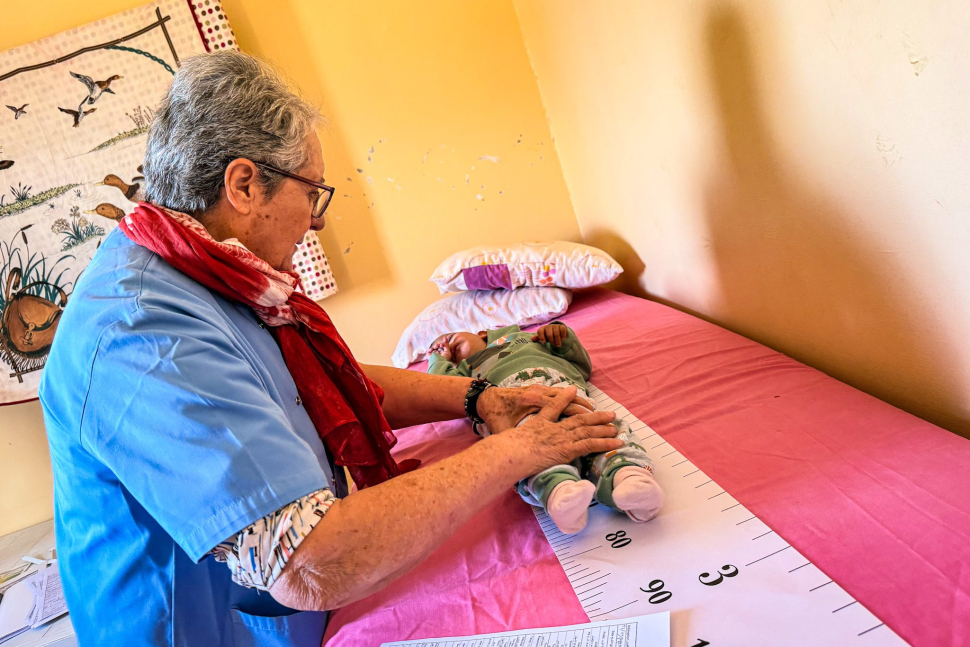
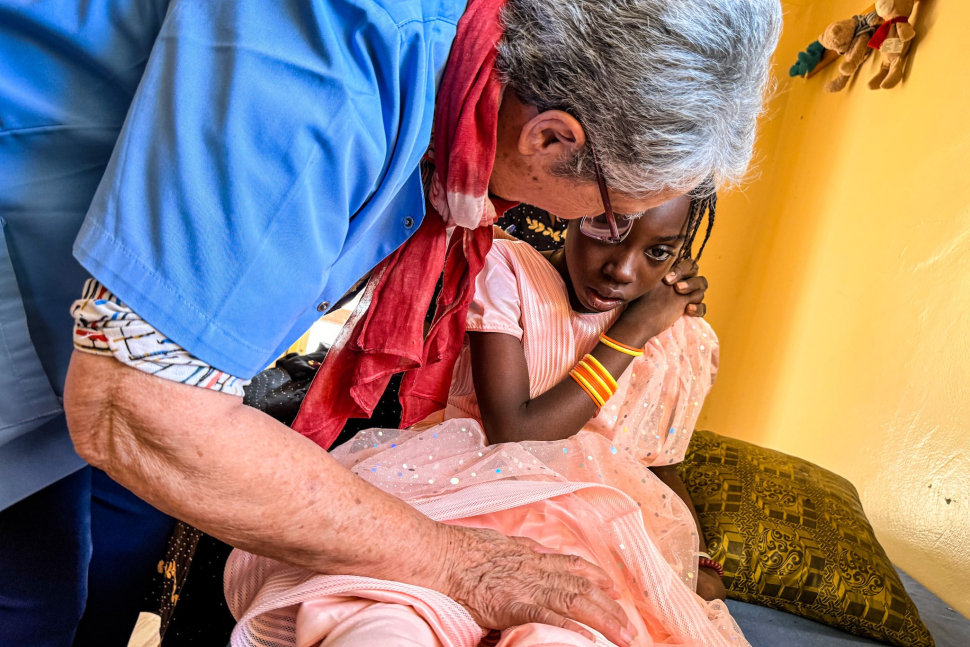
- Rehabilitation and Medical Care: Three physiotherapists work with the children every day in our rehab rooms, fighting for their mobility and independence. We also ensure constant access to medical care and essential medications.
- Nutrition for Children: Disability is not the only struggle—many of our children’s families face hunger. We regularly monitor weight and diet, and we prepare food parcels for the families most in need. Many children are still at risk of severe malnutrition.
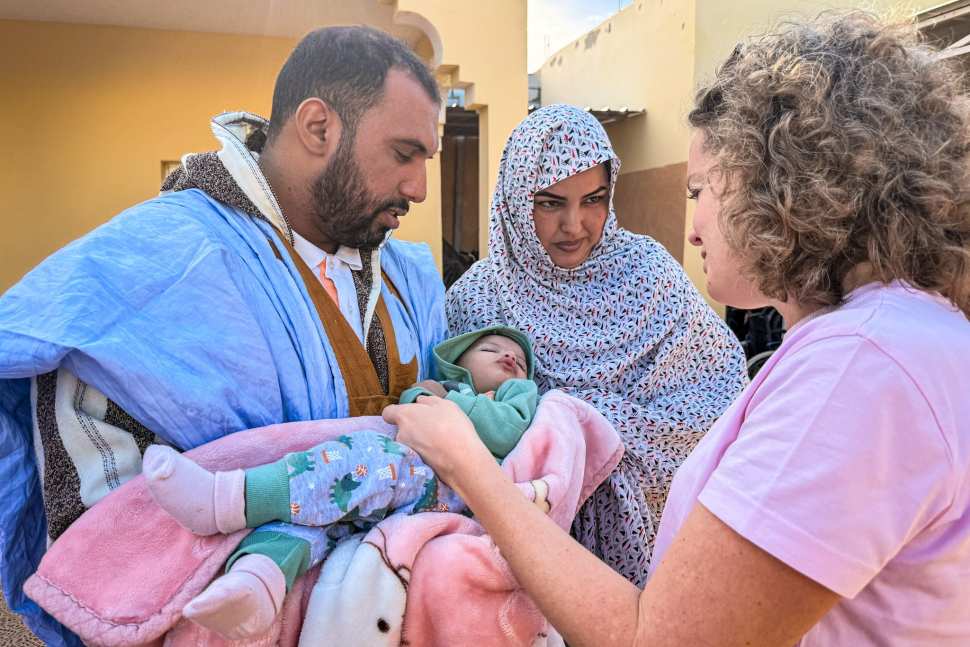
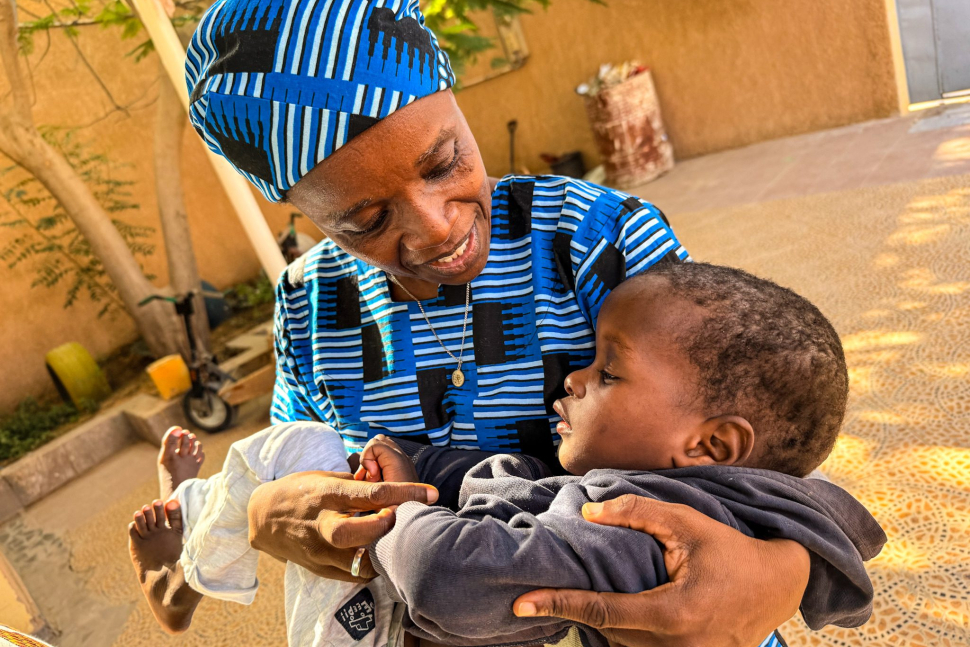
- Support for Mothers: Women, who are often blamed by their communities for their children’s disabilities, find a sense of belonging with us and rebuild their self-worth. In Mauritania, almsgiving is often a religious duty—given “without looking someone in the eye.” Here, it’s different. At noon, when mothers drink tea and the children sleep or play, we build relationships these women cannot find anywhere else. In a workshop adapted to their needs—with a sewing room and kitchen—they learn sewing and how to make preserves. Here, by the sewing machines and cooking pots, they stop being seen as “mothers of disabled children” and become seamstresses and craftswomen whose products sell out quickly. It is both therapy and a chance to earn their own income.
OUR CHALLENGES – BUILDING ANOTHER FLOOR
Foyer de l’Enfance is bursting at the seams. To free up space on the ground floor for urgently needed rehabilitation rooms and medical offices, we have to go… up. Our plan is to add another floor to the building. We want to move offices, storage areas, and sewing workshops upstairs so no one has to work in overcrowded conditions.
We also need to solve the problem of access to water, which we currently truck in, and secure funding for medications for the entire coming year.